
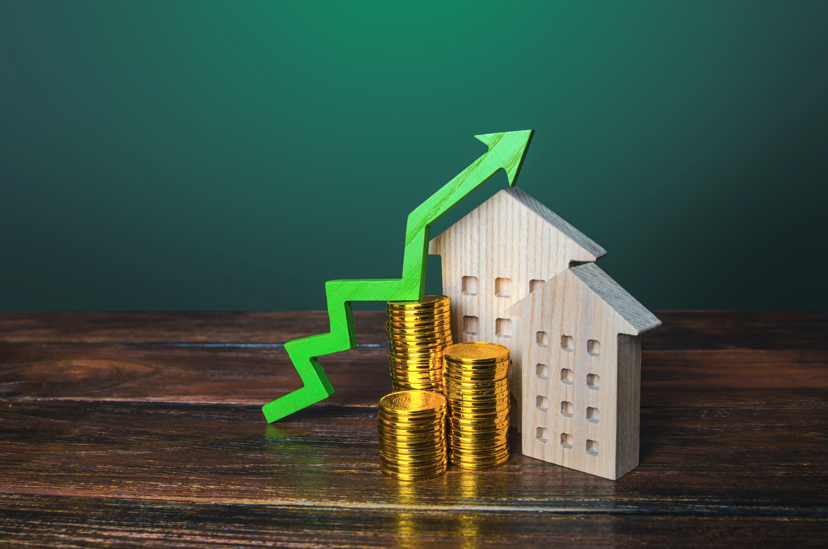
The rental market isn’t just a separate segment of real estate; it’s a real-time indicator of where the broader property market is heading. Whether you’re an investor, landlord, or property owner, understanding how rental trends connect to overall real estate conditions can help you make smarter, more strategic decisions.
The Rental Market as a Leading Indicator
Rental demand often shifts before home sales do. When interest rates rise or homeownership becomes less affordable, more people turn to renting. This increased demand pushes rental prices upward and tightens vacancy rates. On the flip side, when buying becomes more accessible, rental demand may soften as tenants transition into homeownership.
Because of this, the rental market frequently acts as a leading indicator. It signals changes in the real estate market before they fully materialize.
Interest Rates and Affordability
Interest rates play a major role in both markets. Higher rates typically reduce buying power, keeping more people in the rental pool for longer. This creates sustained demand for rental properties and can lead to:
- Increased rental prices
- Lower vacancy rates
- Higher competition for quality units
For property owners, this can be a strong opportunity to optimize rental income, but it also requires strategic pricing and professional management to stay competitive.
Supply and Demand Dynamics
Housing supply impacts both renters and buyers. When there’s a shortage of available homes for sale, demand spills over into the rental market. Similarly, when new construction increases housing inventory, it can ease pressure on both sides.
However, rental supply is influenced not just by new builds, but also by investor activity. When more investors purchase properties specifically for renting, it expands the rental pool and can stabilize pricing.
Investor Behavior and Market Confidence
Investor activity often bridges the gap between the rental and sales markets. When investors are confident in long-term appreciation and rental income potential, they are more likely to acquire properties, even in uncertain markets.
This creates a feedback loop: Strong rental income attracts investors -> Increased investment supports property values -> Stable or rising property values reinforce market confidence
Professional property management becomes especially critical here, ensuring that investments are well-maintained, occupied, and profitable.
Economic Conditions and Tenant Trends
Broader economic factors like employment rates, wage growth, and population movement directly influence rental demand. For example:
- Job growth increases demand for housing
- Population inflows tighten rental supply
- Economic uncertainty can delay home purchases, boosting rentals
Understanding these patterns helps property owners anticipate changes rather than react to them.
Why This Matters for Property Owners
If you own rental property, you’re not operating in isolation. Your pricing, occupancy, and long-term profitability are directly tied to larger real estate trends.
By keeping a close eye on both markets, you can:
- Adjust rental pricing strategically
- Time property acquisitions or sales more effectively
- Improve tenant retention during market shifts
- Maximize ROI with proactive management
The rental market and the broader real estate market are deeply interconnected. Changes in one almost always ripple into the other. For property owners and investors, recognizing these patterns isn’t just helpful; it’s essential.
Working with an experienced property management partner ensures you’re not just reacting to market changes but staying ahead of them.
Ready to take a more strategic approach to your rental properties? Get help from our team of experts at Goldmar Property Management